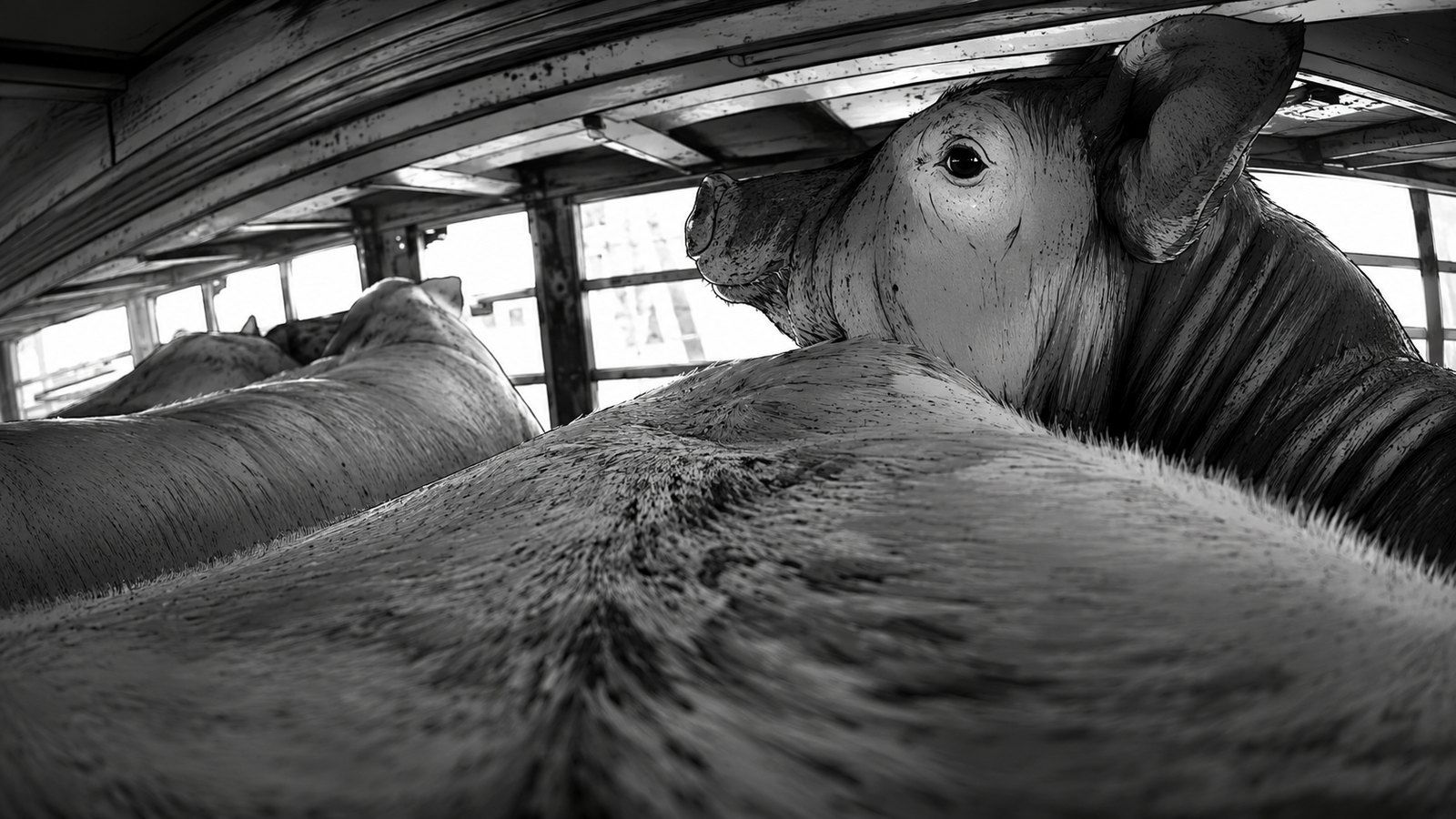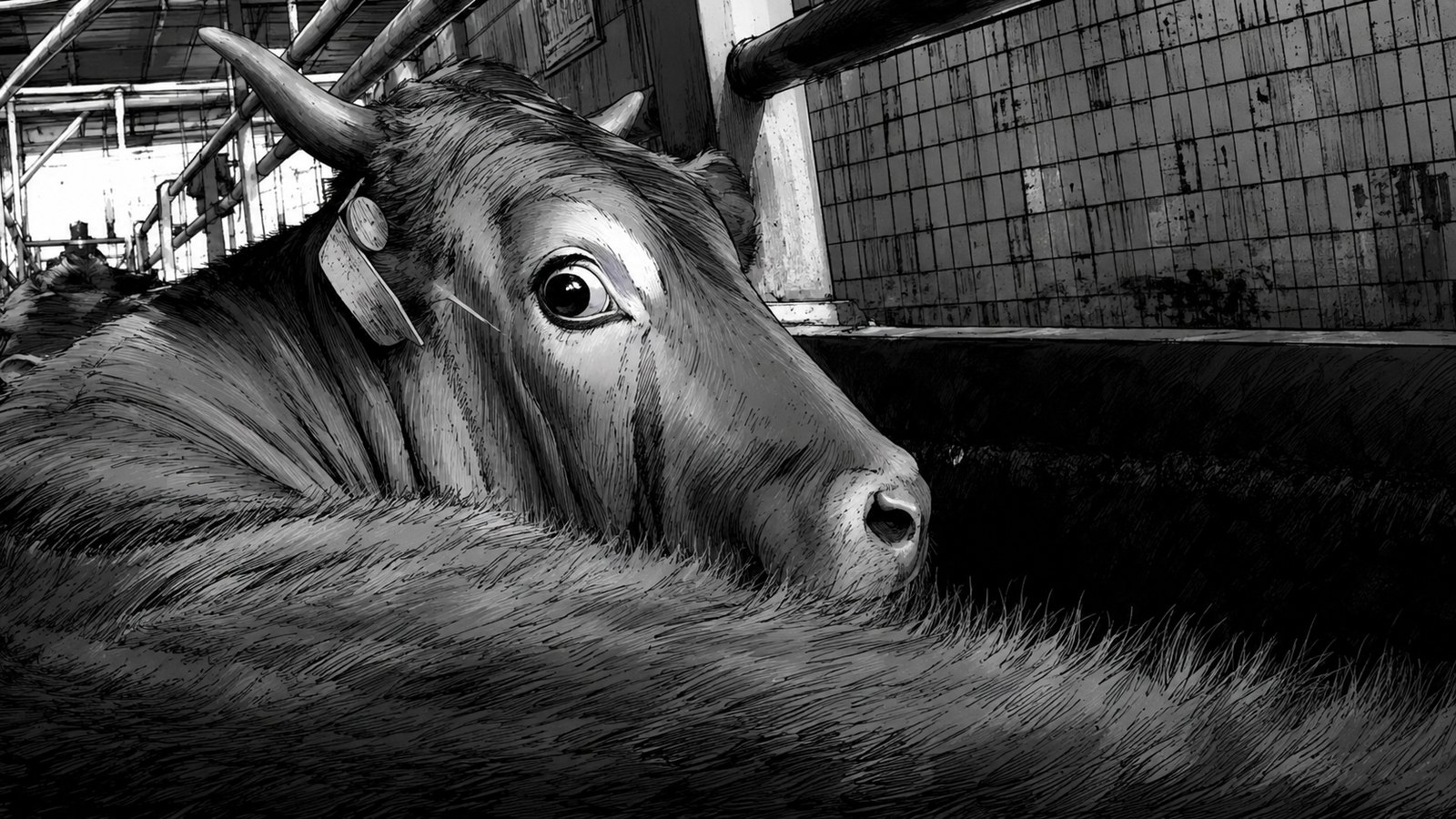
The Slaughter Industry
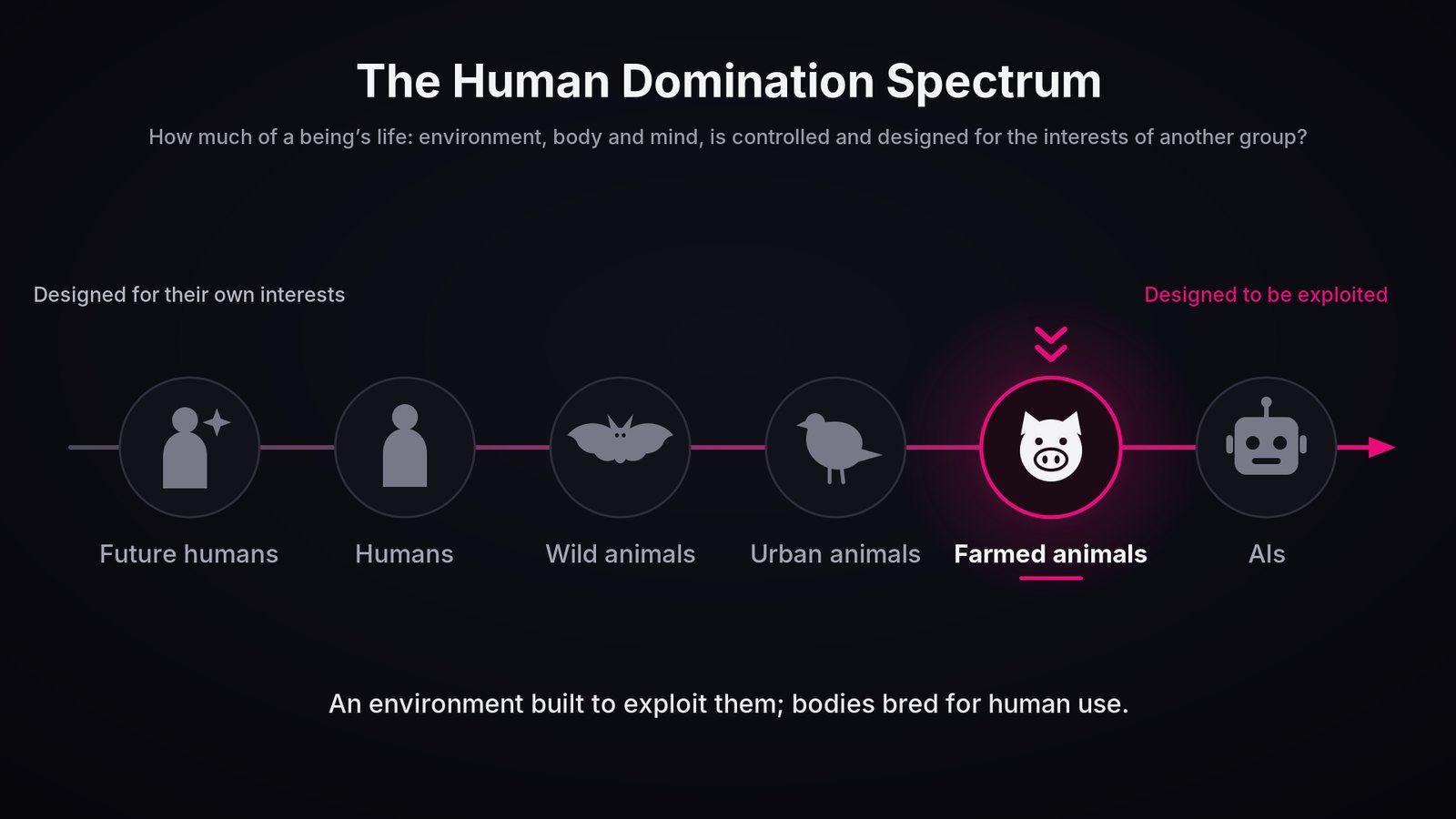
Most beings in human civilization
*"The physical pain in the hands is horrible... but when you slaughter calves raised for white veal, It’s a pleasure, like cutting butter with a knife"
Through my investigative work I tried to simulate the animals and the people involved in the slaughter industry, to better understand what they go through, by being there, as a "regular" worker. Nevertheless, two experiences far from the slaughterhouse itself, in a clean and safe environment, shaped me: A conversation with a slaughterer in Brazil, and watching, live from home, the last 7 hours of Tom's life, through his eyes.
In the first one I really felt something of what it's like to be the slaughterer, in the second one I really felt something of what it's like to be the slaughtered.
Investigations have helped me understand the world better from the individual's perspective. I love it, and I'm grateful for those experiences. Questions?
I go much deeper into this work in the undercover investigations section, where I discuss working undercover as an employee, developing spytech for investigations, filming through animals’ eyes, building the infrastructure in Israel, what impact this work has created, why it worked, and what failed.
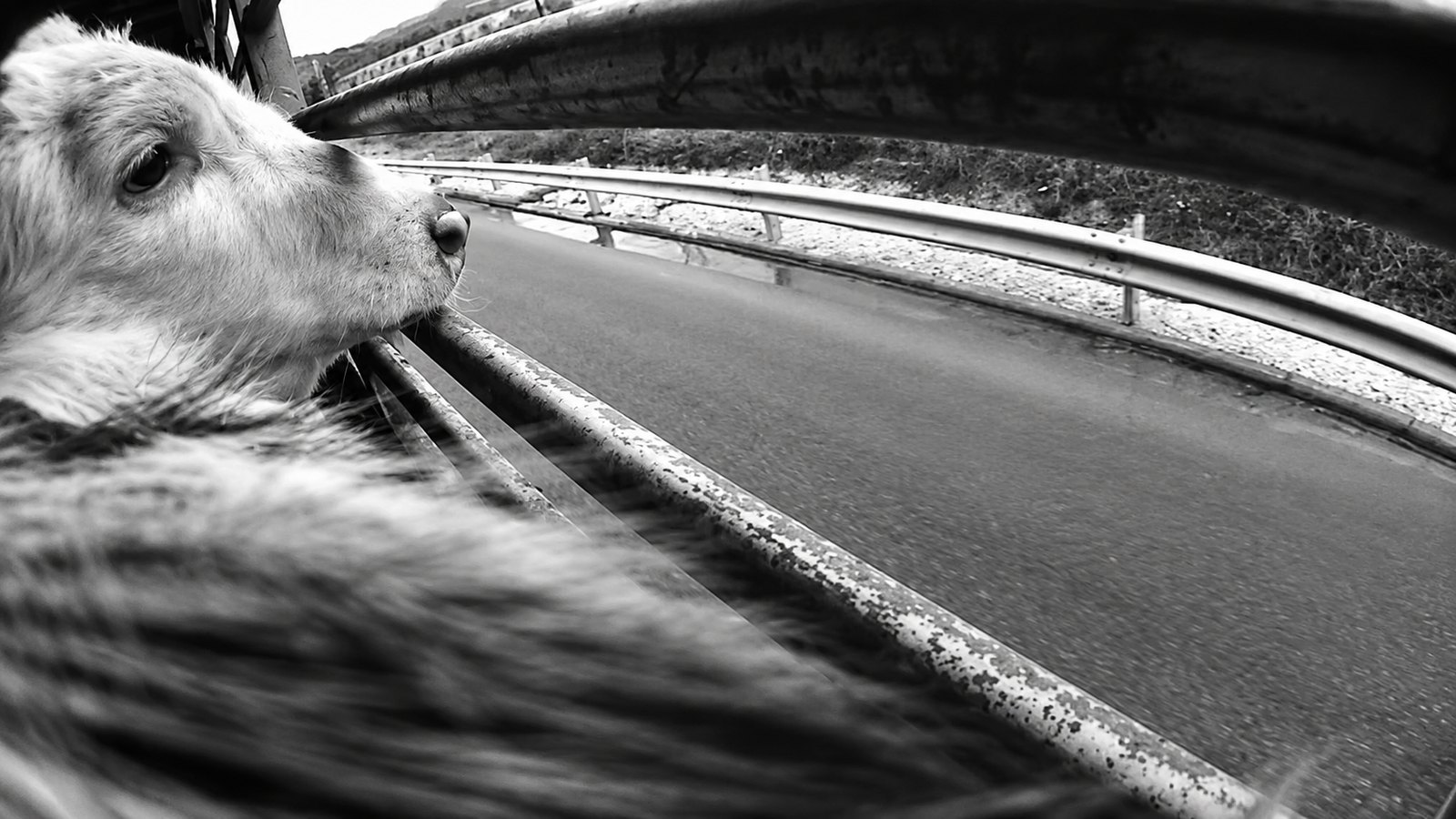
A calf inside a truck on the way to slaughter, as captured by our Camera On Animal project.
The numbers: Around 90 billion land animals are slaughtered every year for food globally, most of them killed after a dreadful life in factory farms. The numbers of farmed fish is probably even higher. More than a trillion wild fish are pulled out of the oceans every year, suffocating to death. This is 2 million fishes every minute. Many trillions of shrimp are killed annually.
The slaughter industry is based on four features I like to remember by the acronym M.E.A.T:
- Mutilation. e.g. Debeaking chicks, castrating piglets, all done without painkillers. Unfortunately I had to perform as an industry worker in the installation, cutting the horns of a calf in Australian cattle station, which was done without any pain relief.
- Enslavement - animals are confined, can't decide who to be next to, where to go and how to live their lives. Freedom taken away completely.
- Artificial selection – Animal's bodies is changed for human exploitation and economic profit. The result is pain, disease and frequently dying before slaughter
- Termination – Slaughter for animals that can become profit, killing in various ways (mechanical crushing, for example) for animals deemed economically useless such as small day old chicks in the meat industry not expected to survive until slaughter in the factory farm.
Softened graphic footage: most investigation images were turned black and white with soft animation in order to make them less graphic. Especially graphic video scenes are blurred.